Life After Braces
Finishing treatment is a huge achievement, and keeping your new smile is the next important step. Retention is the second half of the journey, so here's how to protect your results for the long term.
ABOUT HOLD MY SMILE ACTUAL PATIENT
Your brace is off - what happens next?
Your final appointment isn't quite the end. Here's what to expect.
1. Final records
We take final photos and records of your beautiful new smile.
2. Retainers fitted
We fit or provide your retainers to hold your teeth in their new positions.
3. How to wear and care for them
We explain exactly how and when to wear your retainers, and how to look after them.
4. Retention reviews
We'll see you for retention reviews to check everything is holding well.
5. Long-term retention
We support your retention for the long term, so your results last.
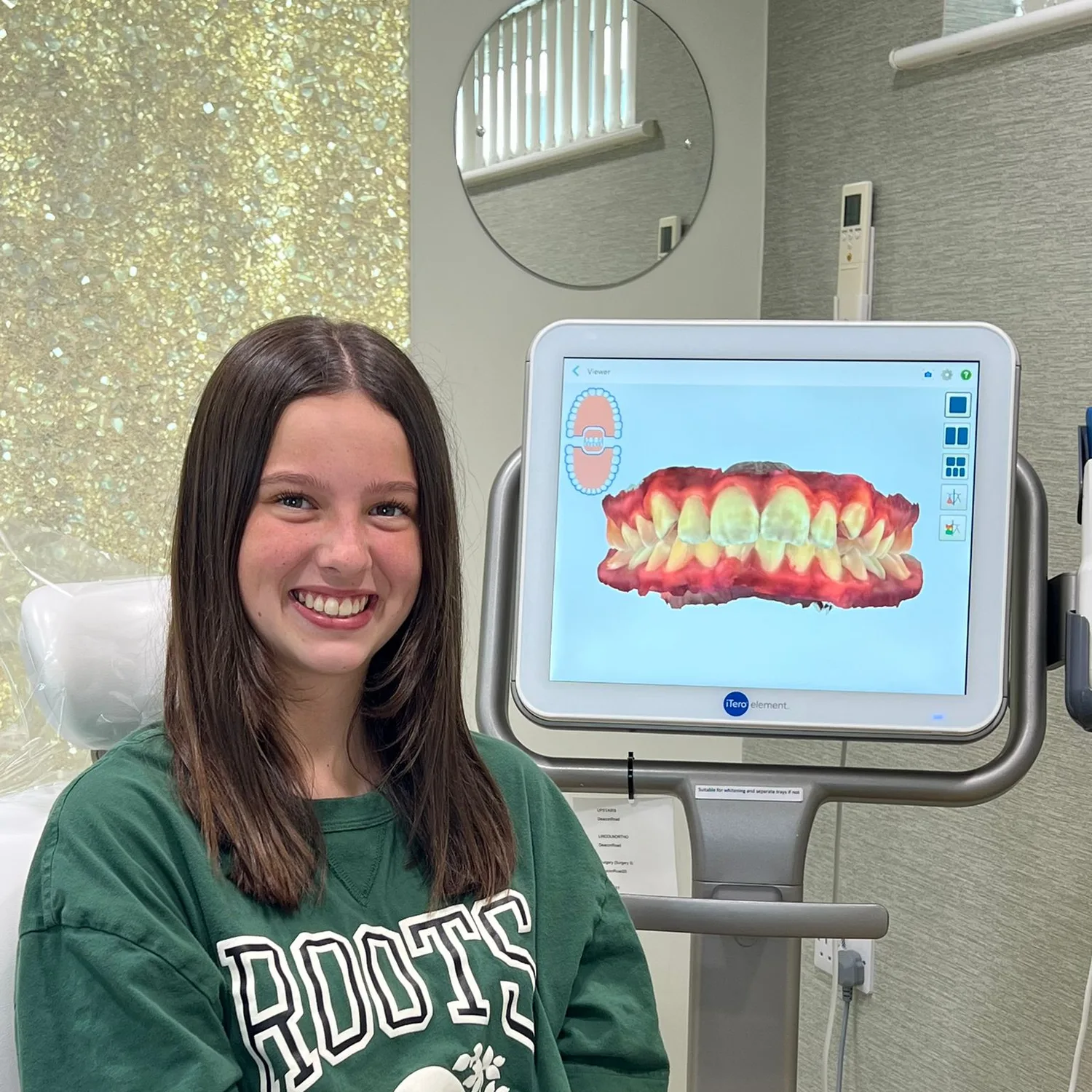 ACTUAL PATIENT
Why retention is for the long term
Orthodontic treatment is a two-part process: straightening your teeth, then keeping them that way. Once your braces or aligners come off, your teeth will naturally try to drift back towards their original positions, a process known as relapse.
Teeth can continue to move throughout life, which is why retention doesn't stop a few months or years after treatment. Wearing your removable retainers every night, indefinitely, is the best way to keep your smile looking its best, unless your orthodontic team has advised otherwise.
How retainers protect your smile
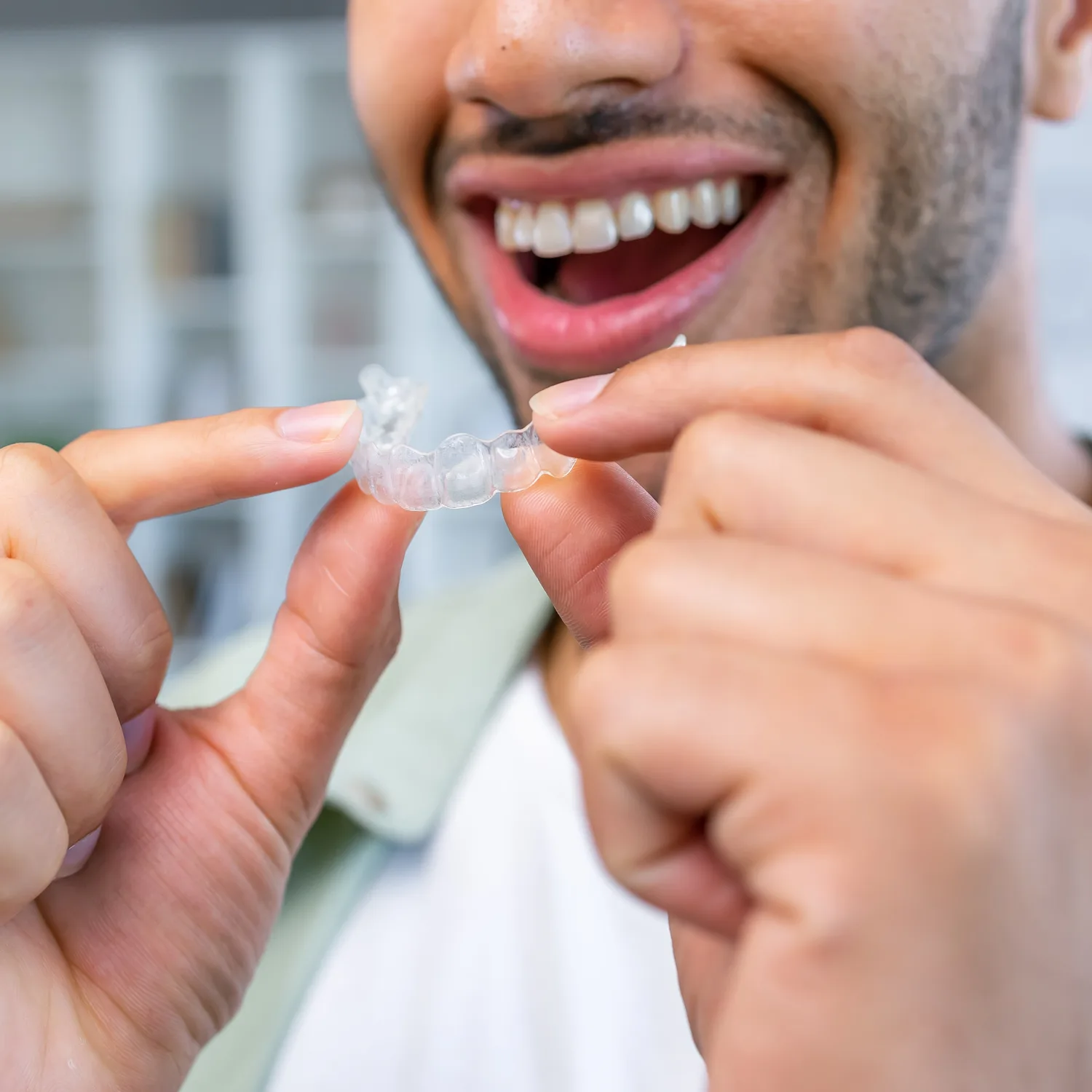
Retainers are thin, custom-made coverings that fit snugly over your teeth and are worn at night. They hold your teeth firmly in their new positions and prevent unwanted movement.
Because retainers need to be thin to be comfortable, they wear over time. Our Hold My Smile plan takes care of that, delivering fresh retainers to your door each year, with emergency replacements, so your smile stays protected without you having to think about it.
Two types of retainer
You may have one type of retainer, or both. Here's the difference.
Removable retainers
Clear, custom-made retainers you wear according to the instructions from your orthodontic team, usually at night.
Fixed retainers
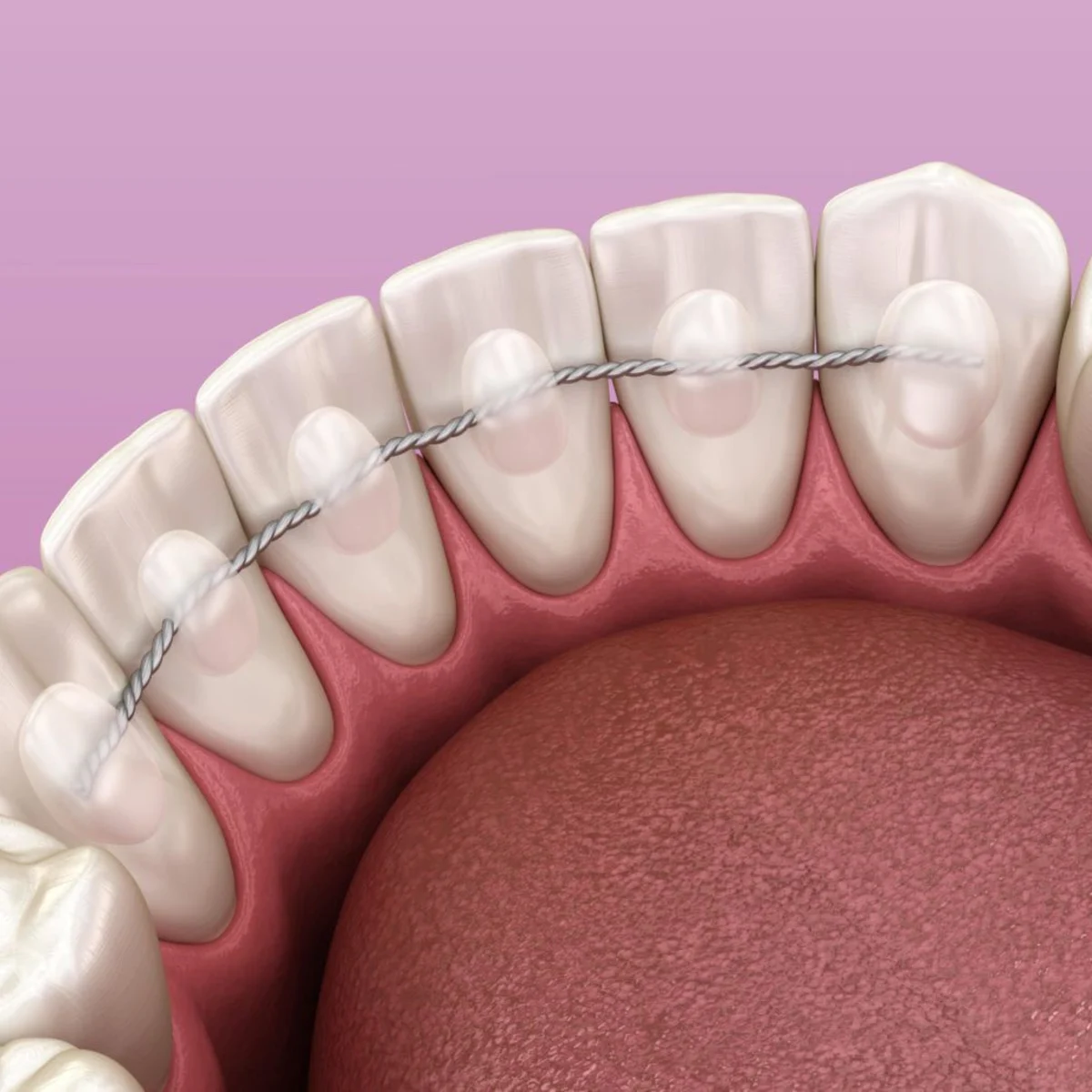
A thin wire bonded behind your teeth, where prescribed, which quietly helps hold them in place.
Sometimes both
Some patients have both. A fixed retainer doesn't necessarily mean you can stop wearing your removable one, so always follow your team's advice.
Looking after your removable retainer
A few simple do’s and don’ts keep your retainer clean, comfortable and effective.
Do
- Clean it daily with a soft brush and cool water
- Store it in its case when it’s not being worn
- Follow your wearing instructions
- Bring it to your appointments
Don’t
- Expose it to hot water
- Use abrasive or whitening toothpaste on it
- Wrap it in tissue
- Leave it where pets can reach it
Looking after your fixed retainer
If you have a fixed retainer bonded behind your teeth, a little extra care keeps it doing its job.
- Clean carefully around the wire, morning and night
- Use interdental brushes or a floss threader to clean behind it
- Check it regularly for any looseness
- If part of it lifts, feels rough or detaches, contact us promptly
Keeping your new smile bright
Teeth whitening
Now your teeth are beautifully straight, professional whitening can be the finishing touch. Ask us about your options.
Hygiene visits
Regular visits to our hygienist keep your smile healthy and fresh, with a professional clean and personalised advice.
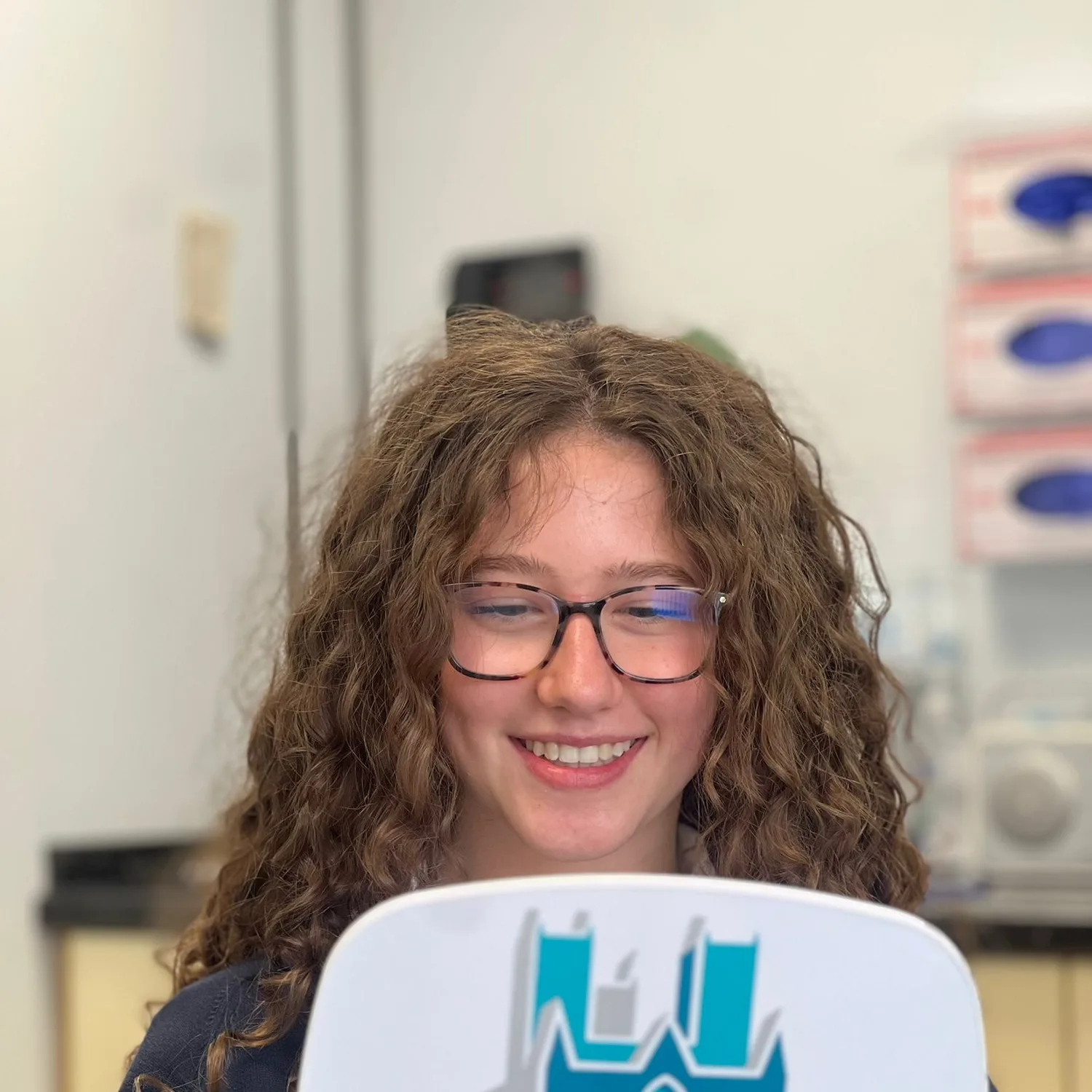 ACTUAL PATIENT
Has your smile already started to shift?
If you had orthodontic treatment in the past but haven't worn your retainers consistently, you may have noticed some unwanted movement. You're not alone, relapse is extremely common and nothing to feel embarrassed about.
Whether your teeth have shifted slightly or significantly, our specialist team offers discreet, effective retreatment options, along with a robust Hold My Smile retention plan to keep your smile protected this time.
Frequently Asked Questions
Contact us as soon as possible so we can arrange a replacement. The longer you go without wearing one, the more your teeth can move.
If a retainer feels tight or won't seat properly, your teeth may have moved. Get in touch and we'll check it and advise on the best next step.
Contact us promptly. A loose or broken fixed retainer should be checked quickly so your teeth stay in position.
Long term. Teeth can move throughout life, so we recommend wearing your removable retainers every night, indefinitely, unless we've advised otherwise.
Most patients wear their removable retainers every night on a long-term basis. We'll give you a personalised routine.
Clean them daily with a soft toothbrush and cool water, or a retainer cleaner. Avoid hot water, which can distort them.
Use a non-abrasive toothpaste or a dedicated retainer cleaner. Whitening or abrasive toothpastes can scratch the surface.
A little tightness after a break from wear can be normal, but if it stays tight or won't fit, your teeth may have moved. Get in touch.
Often, yes. A fixed retainer holds the front teeth, but many patients wear a removable retainer too for extra security. We'll advise what's right for you.
Fixed retainers can last for years, but they should be checked regularly and replaced if they come loose or break.
We don't recommend it. Teeth can continue to move throughout life, so long-term retention is the best way to protect your results.
Yes. Contact us and we'll arrange a replacement. Ask us about Hold My Smile for fresh retainers each year.
Yes. We can make retainers for patients who had treatment elsewhere. Just get in touch and we'll arrange an appointment.
Relapse is common. Book a consultation and we'll assess your smile and discuss discreet ways to straighten it again.
 ACTUAL PATIENT
Noticed your teeth moving since treatment?
Relapse is common and easily addressed. Book a consultation and we'll assess your smile, talk through discreet ways to straighten it again, and put a retention plan in place to keep it that way.
BOOK A FREE CONSULTATION